

When business is slow, it’s tempting to cut marketing and wait for things to improve. But tough economic conditions can also be an opportunity to review your marketing strategy, focus on what’s actually generating enquiries, and make better use of your available budget.
Here are some practical ideas to help Wellington businesses navigate the current downturn and position themselves for future growth.
We wrote about Marketing in Tough Times in May 2025, and while it looked like the region was on the up for a while earlier in 2026, it’s no secret that recent Government announcements have meant still really tough for many businesses in the Wellington region.
Over the last year or two we’ve spoken to business owners across a wide range of industries who are all facing similar challenges. Enquiries are down, customers are taking longer to make decisions, competition is increasing, and costs continue to rise.
When that happens, marketing is often one of the first areas of spending businesses look to cut.
That’s understandable. If revenue is under pressure, reducing expenses can seem like the safest option.
The problem is that marketing is also one of the things that helps generate future sales and enquiries. Cut too much, and you can find yourself in a position where things become even quieter a few months down the track.
So, if simply spending more isn’t the answer, and cutting everything isn’t either, what should businesses be doing?
Our advice is to take a step back and focus on getting more value from every marketing dollar.
Start With What Is Actually Working
One of the first questions we ask clients is:
“Where do your enquiries actually come from?”
The answer is often surprising.
Many businesses spend time and money on marketing activities because they’ve always done them. But when we look at the data, it turns out that most enquiries are coming from only a handful of channels.
For some businesses it’s Google searches and website enquiries. For others it’s referrals, repeat customers, email marketing, networking, or strategic partnerships.
Before making any major changes to your marketing budget, take the time to understand which activities are genuinely generating leads and sales.
Even a simple spreadsheet tracking where enquiries come from can provide valuable insights.

Review Your Marketing Strategy
When business is busy, it’s easy to fall into the habit of doing the same things month after month.
A slowdown can actually be a good opportunity to revisit your marketing strategy and marketing plan.
Ask yourself:
- Has our target market changed?
- Are we still focusing on the right customer groups?
- Have customer needs or buying behaviours shifted?
- Are we investing our time and budget in the right channels?
- What activities are generating enquiries, and which aren’t?
Small changes to your marketing strategy can often deliver better results than simply increasing your spending.
Focus on Lead Generation
In tougher economic conditions, we often encourage businesses to focus on activities that are most likely to generate enquiries and opportunities in the short to medium term.
That doesn’t necessarily mean spending more money.
It might mean:
- Improving your website so it’s easier for people to make contact.
- Following up old leads that never converted.
- Reconnecting with previous customers.
- Asking happy customers for referrals.
- Improving your Google Business Profile.
- Collecting more customer reviews.
- Making sure your website is easy to find through search engines.

Many businesses already have opportunities sitting in their existing customer database that they simply haven’t had time to follow up.
Don’t Forget Business Development
One area that often gets overlooked is business development.
When things are busy, opportunities can come naturally. When things slow down, businesses often need to be more proactive.
That might involve:
- Building strategic partnerships.
- Attending networking events.
- Reconnecting with industry contacts.
- Identifying new customer segments.
- Looking for complementary businesses to work alongside.
Some of the strongest growth opportunities we’ve seen over the years have come from relationships and partnerships rather than traditional advertising.
Use Downtime Wisely
If business is quieter than usual, there can be a temptation to simply hunker down and wait for things to improve.

A better approach is to use that time to strengthen the foundations of your marketing.
Consider using quieter periods to:
- Improve your website.
- Update your service pages.
- Improve your search engine optimisation (SEO).
- Build case studies.
- Gather customer testimonials.
- Review your marketing plan.
- Improve how you measure marketing performance.
These are often the activities that get pushed aside when businesses are busy, but they can make a significant difference when demand starts to pick up again.
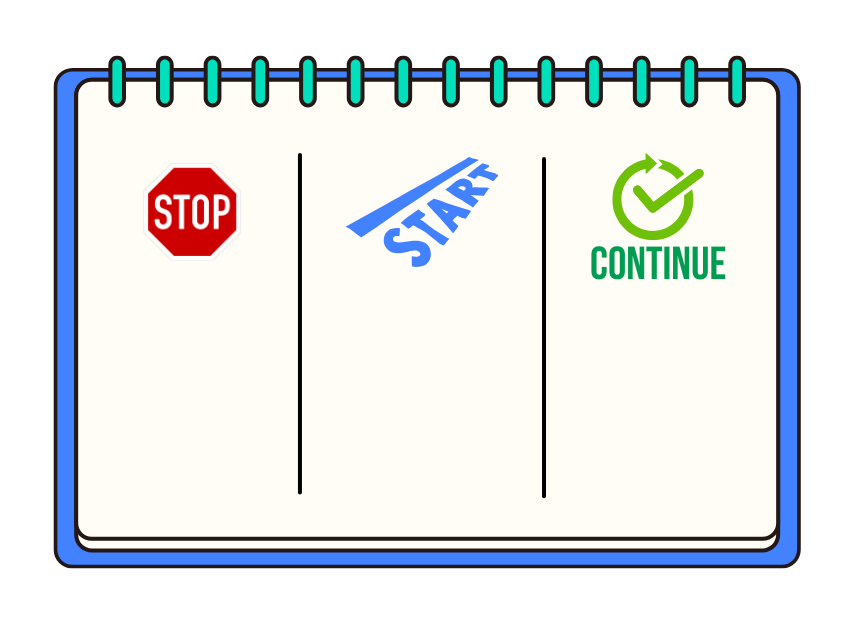
A Simple Framework: Stop, Start, Continue
If you’re not sure where to begin, try this simple exercise.
Stop
Marketing activities that consume time or money but aren’t generating meaningful results.
Start
Activities that are more closely linked to enquiries, leads, customer relationships, and business development.
Continue
The things that consistently help generate sales, enquiries, and repeat business.
Sometimes the biggest gains don’t come from doing more. They come from focusing on the right things.
Need a Fresh Perspective?
Every business is different, and there is no one-size-fits-all marketing strategy for challenging economic conditions.
If you’re unsure where to focus your marketing budget, need help generating more enquiries, or simply want an independent view of what’s working and what isn’t for your business, we’d be happy to have a chat.
Sometimes a few small changes to your marketing strategy, lead generation, or business development approach can make a bigger difference than a much larger marketing budget.
Get in touch with the team at Synthesis Marketing to discuss how we can help your business navigate the current market and prepare for the opportunities ahead.